
When luck meets skill: a gambler’s perspective
The Role of Luck in Gambling
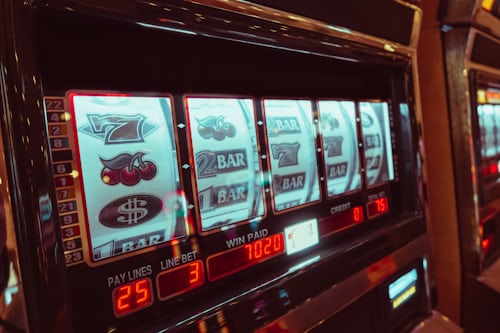
When discussing gambling, luck is often the first aspect that comes to mind. Luck involves the element of chance and unpredictability, which plays a pivotal role in the outcome of many games. For instance, in games such as roulette or slot machines, players rely heavily on random number generators and chance events. This randomness can lead to significant wins or losses, making it a thrilling aspect of gambling. In addition, many enthusiasts explore online betting canada options to enhance their gaming experience and potentially increase their chances of winning. However, it is essential to recognize that while luck can determine immediate results, it does not necessarily influence long-term outcomes in the same capacity.
Many gamblers can recount stories of incredible good fortune, where they hit a jackpot or won a substantial pot on a single hand. These tales often enhance the allure of gambling, enticing new players to try their luck in hopes of experiencing similar success. But relying solely on luck can be a double-edged sword. It can lead to unrealistic expectations and poor financial decisions, as players may chase losses or develop excessive confidence after a streak of wins. This shows how luck can be both exhilarating and treacherous, influencing not just the results but the overall gambling behavior.
Ultimately, while luck is an undeniable factor in gambling, it should be viewed as one component of a broader picture. For many players, understanding the role of luck helps in managing expectations and developing a more balanced approach to gambling. It serves as a reminder that while the thrill of hitting lucky streaks is enticing, responsible gambling and informed decision-making are vital to enjoying the experience sustainably.
The Importance of Skill in Gambling
While luck is a significant factor in gambling, skill plays a crucial role in many games, impacting the chances of success. In games such as poker and blackjack, players can leverage their knowledge and strategies to make informed decisions that improve their odds. Here, skill involves understanding probabilities, reading opponents, and employing tactics that can turn the tide in one’s favor. By honing these skills, players can enhance their overall performance, leading to more consistent results over time.
Taking poker as an example, successful players spend years refining their techniques and studying opponents’ behaviors. They understand the dynamics of betting, bluffing, and folding, which can lead to solid strategic advantages. Conversely, a novice player who relies solely on luck may find themselves outmatched. This disparity illustrates how skill can sometimes overshadow luck, especially in competitive environments where expertise can significantly alter outcomes.

Furthermore, skill can provide a sense of control amidst the unpredictability of gambling. For many players, engaging in skill-based games allows for a deeper connection to the activity. The thrill of competition, the satisfaction of executing well-planned strategies, and the joy of continuous improvement all contribute to a fulfilling gambling experience. Thus, while luck can spark excitement, skill fuels growth and accountability in the gambling world.
Finding Balance Between Luck and Skill
In the complex world of gambling, the interplay between luck and skill creates a dynamic environment where players must navigate both. Finding the right balance is essential for those looking to enjoy gambling responsibly while maximizing their enjoyment and potential outcomes. This balance requires an understanding of each component’s contributions and recognizing when to rely on instinct and when to implement strategy.
For instance, a seasoned poker player may face inexperienced opponents who rely on luck. In this scenario, the skilled player can capitalize on their knowledge while also appreciating the randomness that luck brings to the table. Conversely, when playing games predominantly influenced by luck, such as slots or lotteries, players must accept the inherent unpredictability and approach the activity with a mindset focused on enjoyment rather than solely chasing wins.
Moreover, maintaining this balance can lead to a more sustainable gambling experience. Players who engage thoughtfully with both elements are less likely to experience the pitfalls of addiction, as they are more aware of their decisions and the role of chance in each game. By cultivating this understanding, gamblers can explore their passion for gaming while fostering a responsible approach that enhances their overall enjoyment and preserves financial well-being.
Psychological Aspects of Gambling
The psychological factors at play in gambling often intertwine with the influence of luck and skill. The thrill of chance and the potential for substantial rewards can create a powerful emotional response in players. This excitement can lead to heightened adrenaline levels, impacting decision-making processes. For many, the psychological rush associated with gambling can be addictive, as they seek to replicate the euphoric feelings elicited by winning or the anticipation of potential wins.
Moreover, the cognitive biases that many gamblers experience can skew their perception of luck and skill. For example, the “gambler’s fallacy” suggests that past events influence future probabilities, leading players to make illogical choices based on previous outcomes. Understanding these psychological aspects is vital in promoting responsible gambling practices and recognizing when the thrill of chance may lead to detrimental behaviors.
By acknowledging the psychological landscape of gambling, players can make informed decisions and establish boundaries for themselves. This awareness emphasizes that while the excitement of luck and the strategic nature of skill are integral to gambling, the mental health of players should always be a priority. By fostering a healthy relationship with gambling, players can enjoy their experience without compromising their well-being.
Developing a Responsible Gambling Mindset
To fully enjoy the intricacies of gambling, adopting a responsible mindset is essential. This mindset encompasses understanding the roles of luck and skill while recognizing personal limits and financial boundaries. Players should approach gambling as a form of entertainment rather than a means of income. This perspective helps ensure that gambling remains a positive activity rather than a source of stress or financial strain.
Establishing clear guidelines for oneself is an effective strategy for maintaining a responsible approach. This may include setting time limits and budgetary constraints, allowing players to enjoy the thrill of gaming without succumbing to the temptations of chasing losses. Additionally, being mindful of emotional triggers and the psychological impact of gambling can help individuals navigate their experiences with greater awareness and clarity.
Ultimately, developing a responsible gambling mindset equips players with the tools necessary to enjoy their experiences while remaining in control. By fostering a healthy balance between luck and skill, individuals can appreciate the exciting elements of gambling without placing their well-being at risk. In the expansive world of gaming, this responsible attitude can open avenues for enjoyment and long-term satisfaction.